
Arbitrage Betting Strategies in Today's Global Sports Markets
Arbitrage betting involves placing wagers on all possible outcomes of an event through different operators so that a profit remains locked in regardless of the result, and observers note this approach relies on identifying temporary discrepancies in odds offered by separate platforms. Experts have tracked how these opportunities arise when bookmakers adjust lines at varying speeds during live events or when regional markets price the same fixture differently, creating windows where combined stakes yield positive returns. Data from industry reports indicates that such edges appear most frequently in high-volume sports like football, tennis, and basketball where multiple operators compete aggressively for liquidity.
Core Mechanics Behind Surebets
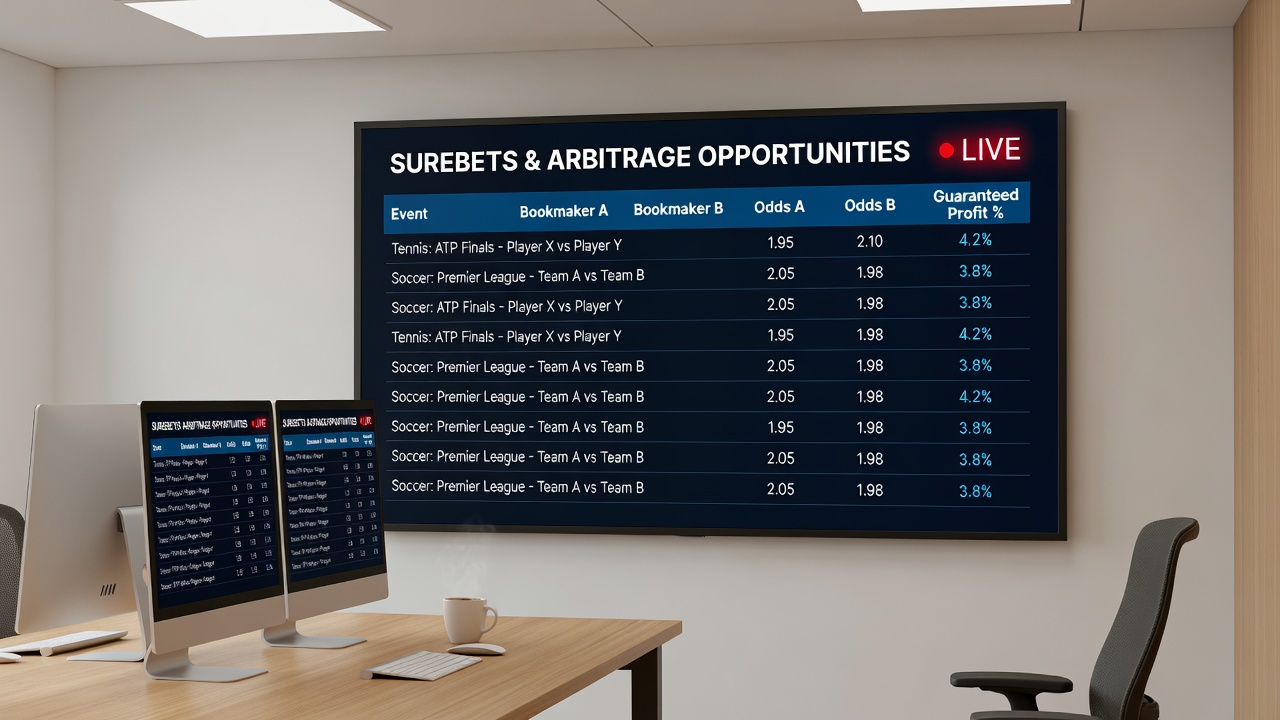
Calculators process quoted odds from several sources to determine stake distributions that cover every outcome while securing a fixed margin, and researchers have documented how users input decimal, fractional, or American formats before the software outputs exact amounts for each selection. People who monitor these systems often combine real-time feeds from dozens of operators to spot mismatches that last only seconds in fast-moving markets, whereas slower sports allow longer evaluation periods before lines converge. Evidence from operational logs shows that successful setups typically target margins between 1 and 5 percent after accounting for commission structures and currency conversions across borders.
Tools and Platforms Supporting Detection
Scanner software aggregates live odds streams and flags potential surebets as they emerge, while studies from European gambling research centers reveal that automated alerts now reach users within milliseconds of price updates. Those who employ combined services report reduced manual checking time because the platforms handle cross-market comparisons automatically, and figures released in November 2026 by the Australian Communications and Media Authority highlight increased adoption of such tools among operators licensed in multiple jurisdictions. Calculators further refine these detections by incorporating variables such as bet limits, withdrawal times, and historical line movement patterns that scanners alone may overlook.
Market Trends Observed in Late 2026
November 2026 data compiled by the Canadian Gaming Association shows expanded participation in arbitrage strategies coinciding with major tennis tournaments and basketball seasons where live betting volumes reached record levels. Observers note that operators in regulated North American markets adjusted their pricing models more frequently during these periods, generating additional discrepancy windows compared with earlier quarters. Industry analyses from the same period also indicate that football markets in Asia-Pacific regions contributed disproportionately to total surebet volume because of differing regulatory timelines for odds publication.
Regulatory Considerations Across Regions
Authorities in various jurisdictions require operators to maintain fair pricing practices yet place no outright prohibition on individual arbitrage activity when conducted through licensed channels, according to summaries issued by the Nevada Gaming Control Board. Those who operate across borders must still navigate account verification rules and maximum stake policies that can limit the scale of profitable positions, and research published by the University of Sydney's gambling studies unit found that detection algorithms used by some platforms flag repeated arbitrage patterns for review. Participants therefore structure activity to stay within documented risk thresholds rather than attempting to exceed them.
Practical Examples in Key Sports
Take one documented tennis match where serve fluctuations created brief odds gaps between European and Asian operators, allowing distributed stakes across three outcomes to lock in a return before the next point altered pricing. Basketball examples from November 2026 tournaments similarly featured live discrepancies during timeout periods when multiple platforms updated totals at staggered intervals, and observers recorded consistent small-margin captures when scanners integrated data from both sides of the Atlantic. Football closing-minute scenarios have also produced edges when injury news propagated unevenly across bookmakers, prompting rapid recalculations that arbitrage tools captured before synchronization occurred.
Risk Factors and Mitigation Approaches
Account restrictions remain the primary challenge for sustained activity because repeated surebet patterns can prompt operators to limit or close accounts, yet users who diversify across numerous platforms and vary stake sizes have extended operational longevity according to aggregated user reports. Odds can shift after initial placement and reduce or eliminate the margin, so many rely on automated execution features that place all legs simultaneously once a threshold is met. Currency fluctuations and withdrawal delays add further variables that calculators now incorporate into projected returns before execution proceeds.
Conclusion
Arbitrage betting continues to draw attention because it converts identified odds variations into measurable outcomes through systematic calculation and timely execution, and available tools have expanded access while regulatory frameworks evolve differently by region. Data collected through November 2026 underscores ongoing activity in major sports where live markets generate the necessary discrepancies, yet participants must account for platform policies and execution speed to maintain viability. The approach remains one component within broader betting ecosystems rather than a standalone strategy for most users.